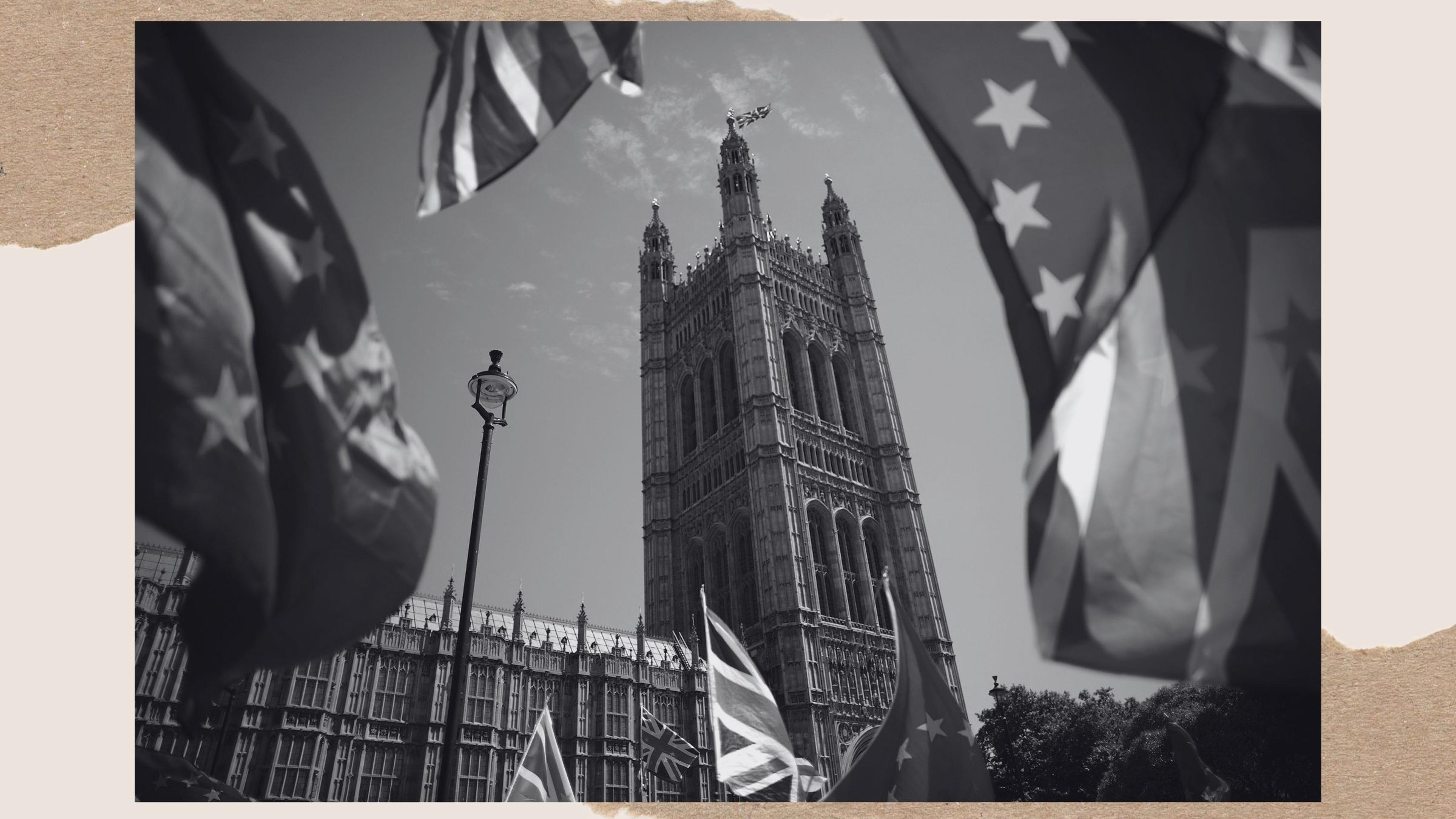
Roughly 10 years ago, the people of the United Kingdom voted to leave the European Union by a margin of 52 to 48.
Nearly a decade later, public opinion has shifted, and there are signs that the decision to leave is being questioned by at least some within the governing Labour party.
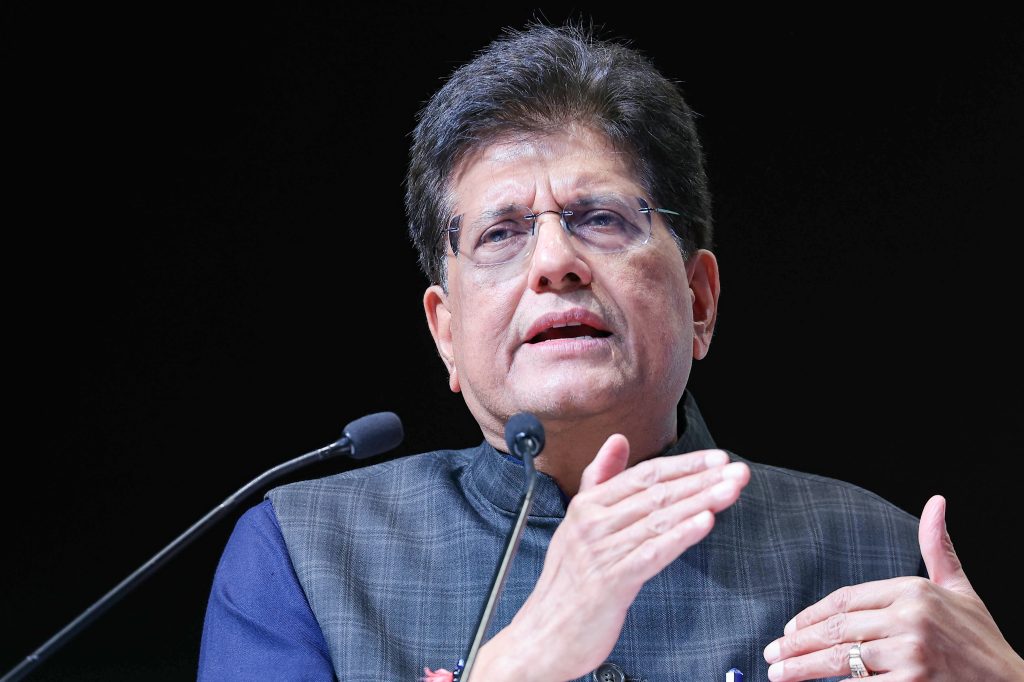
Perhaps most strikingly, Wes Streeting, until recently Health Secretary and, since his resignation, a vocal critic of Prime Minister Keir Starmer, recently declared that leaving the European Union was a “catastrophic mistake” and went on to argue that Britain’s future lies within Europe.
Cue outrage from Brexit supporters and a wave of speculation that a new leader might adopt a far more ambitious approach to relations with the E.U.
But both outrage and speculation overlook key logistical questions.
Stand when it comes to its relationship with the E.U.?
U-turn, it’s worth briefly mapping road which led us to this moment.
After the June 23, 2016, referendum vote and a lengthy transition period, Brexit formally occurred in January 2020.
Finally exited the single market just roughly a year later, having negotiated the Trade and Cooperation Agreement (TCA), which remains the legal basis for most elements of the bilateral relationship to this day.
Despite bold promises by successive Conservative governments to boost growth by slashing large swathes of E.U.
Failed to make use of its newfound regulatory autonomy except in certain limited areas (notably financial services).
Then, the Labour Government of Keir Starmer came to power vowing to fix “Boris Johnson’s botched Brexit deal” and to tear down the barriers to trade it had erected.
So began what came to be known as the “reset,” as the new Government set about tinkering with the deal signed by the former prime minister.