His September 2015 visit to Kathmandu as a special envoy of Indian Prime Minister Narendra Modi came just days before Nepal promulgated its new constitution.
The visit, during which Jaishankar held a series of meetings with the country’s top political leaders and conveyed New Delhi’s reservations over the charter, was followed by a border blockade that left a lasting scar on the Nepali public memory.
For years, the episode shaped how many in Nepal viewed both Jaishankar and India’s approach to its northern neighbour.
He became a name that symbolised one of the most difficult chapters in Nepal-India relations.
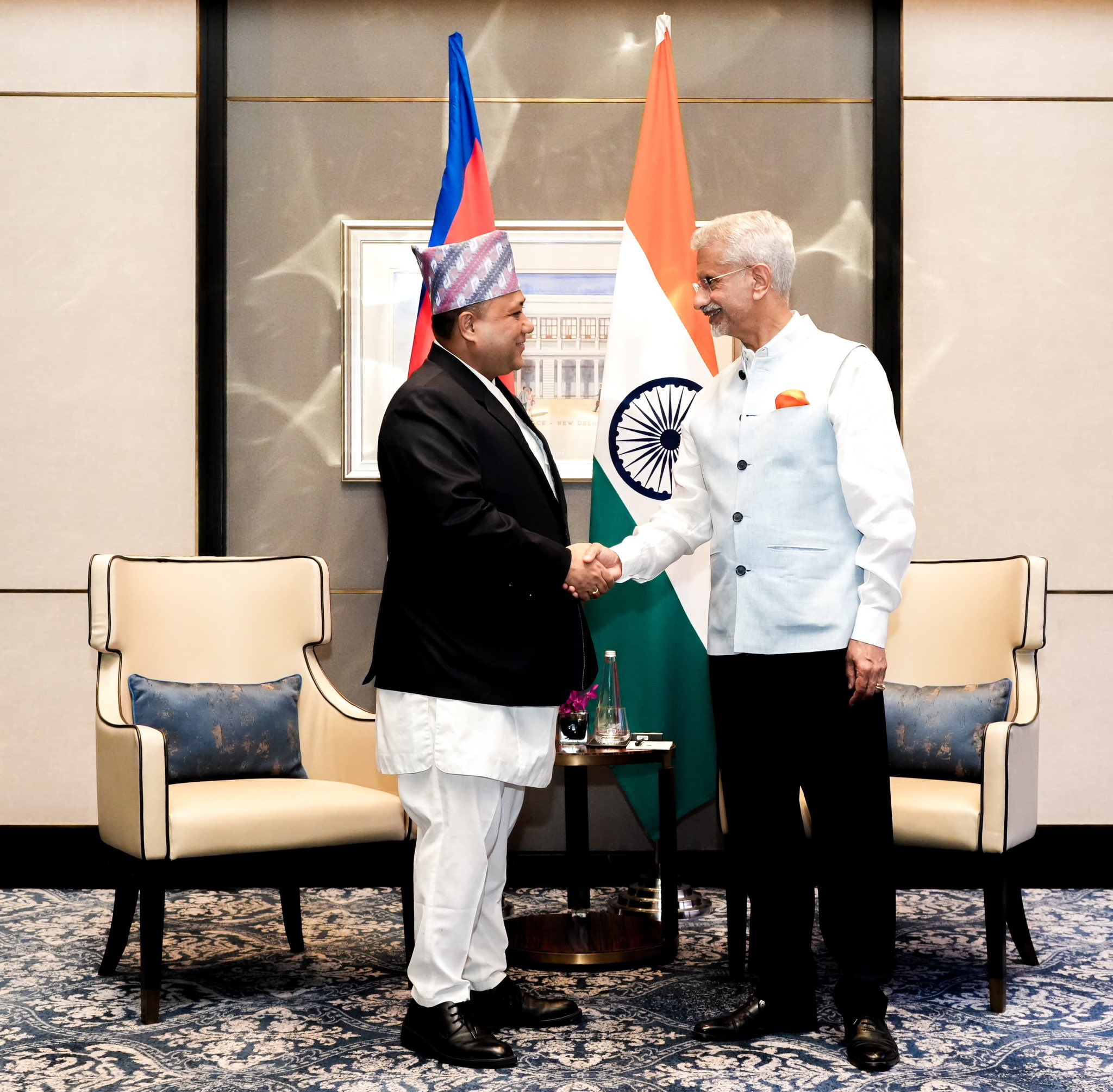
But more than a decade later, as Kathmandu and New Delhi seek to rebuild ties amid changing political realities, some of the same leaders who interacted with Jaishankar during that turbulent period offer a more nuanced assessment of both the Indian foreign minister and the message he carried then.
The shift raises a broader question: Was the deterioration in Nepal-India relations after 2015 really about one diplomat’s controversial mission, or was it rooted in deeper disagreements over Nepal’s political transition, representation, and trust?
When Jaishankar arrived in Kathmandu on September 18, 2015, Nepal’s long-awaited constitution was days away from promulgation.
The devastating earthquakes earlier that year in April had pushed Nepal's major political parties to set aside their differences and expedite the constitution-writing process.
But protests by sections of the Madheshi and Tharu communities in the Tarai plains continued, as they argued that the proposed charter failed to adequately address their concerns over representation and federal boundaries.
As Modi’s special envoy, Jaishankar met top leaders including Pushpa Kamal Dahal, KP Sharma Oli, Sher Bahadur Deuba, and Baburam Bhattarai.
The message from New Delhi was that the constitution should command the widest possible acceptance and that the concerns of agitating groups should be addressed before promulgation.