India has offered to share its parliamentary and electoral experience with a visiting delegation from Myanmar, placing institutional cooperation alongside its stated support for peace, stability and national reconciliation in the neighbouring country.
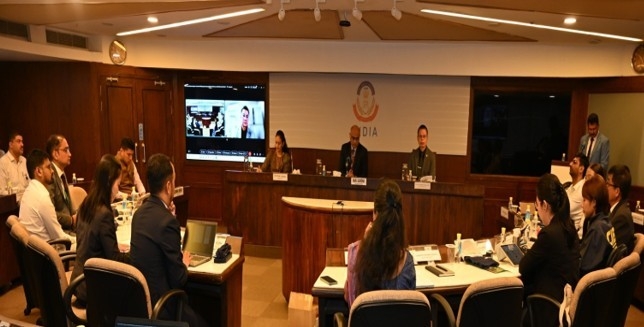
Lok Sabha Speaker Om Birla met a delegation led by Dr Pwint San, chairperson of the International Relations Committee of Myanmar's Parliament. The group is in India for a capacity-building programme organised by the Parliamentary Research and Training Institute for Democracies, according to a Lok Sabha Secretariat release published by the Press Information Bureau.
Parliamentary diplomacy broadens the relationship
Birla described Myanmar as important to India's Act East, Neighbourhood First and Indo-Pacific policies. The relationship extends across security, trade, connectivity, development assistance and humanitarian support, but this meeting concentrated on how legislatures function and how parliamentary rules and procedures develop.
Such exchanges are a form of parliamentary diplomacy: they create contact between institutions beyond executive-level talks. Training can cover committee practice, legislative procedure and administrative support, although the official release does not specify a binding agreement or a timetable for further cooperation.
Electoral systems were part of the discussion
The Speaker referred to India's use of electronic voting machines and the subsequent introduction of voter-verifiable paper audit trails. He also discussed Myanmar's recent electoral changes, including proportional representation and electronic voting, as described in the official release.
These references represent the Indian side's account of the meeting. Broader judgments about electoral credibility or political inclusion require evidence beyond a diplomatic statement and should not be inferred from the visit alone.
Why the engagement matters for India
Myanmar connects India's eastern states with Southeast Asia and remains important to border management, connectivity and regional security. Political instability there can affect trade routes, humanitarian conditions and communities on both sides of the border.
The immediate outcome is a structured exchange with Myanmar parliamentarians and an offer of Indian institutional experience. Its longer-term value will depend on sustained engagement, transparent follow-up and whether cooperation contributes to institutions that are inclusive, representative and capable of peaceful political dialogue.