Craft diplomacy is a form of cultural diplomacy that refers to the promotion and use of craft as a means of fostering cross-cultural understanding and dialogue.
By engaging cultural heritage and collective memory, craft offers an accessible means of connection, one that is continually shaped and reshaped through use and exchange.
In an era dominated by rapid digital consumption, craft invites us to slow down.
It adds a sensory dimension that goes beyond the merely decorative to encourage a deeper appreciation for how objects are made and valued.
The soft power of craft lies in its relational nature, being shaped through ongoing exchanges between maker, material, and the communities that support and situate the work within a broader social context.
These qualities are especially evident within the context of craft diplomacy.
Within this framework, craft is reimagined as a potent cultural tool of soft power, capable of addressing global concerns such as sustainability, inclusivity, and heritage preservation, while embodying culture as a shared and evolving experience expressed through material practice.
Cooke Jr. A leading craft scholar, author of Global Objects: Toward a Connected Art History, and the Charles F.
Montgomery Professor of the History of Art at Yale University, offers an expansive and inclusive perspective that situates craft within a global and interconnected context.
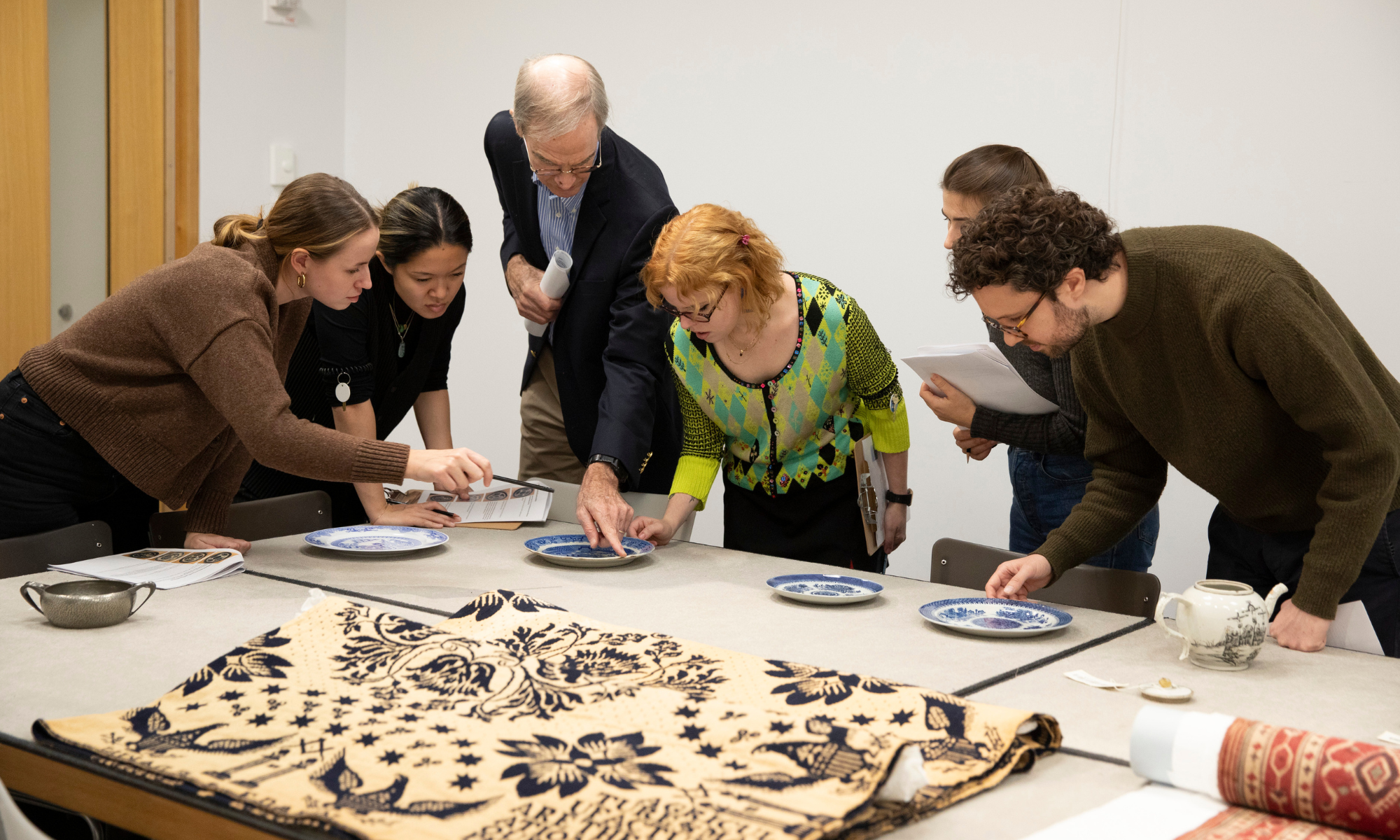
His work is grounded in an object-driven inquiry, a research practice that begins with the object and works outward from there, attending closely to histories, questions, and relationships embedded within it.
From this starting point, broader cultural questions emerge: how craft objects are produced, used, and endowed with meaning, and how those meanings shift as cultures evolve or interact with each other.
In this sense, the object actively drives the inquiry, serving as an entry point into the larger cultural systems that generate, sustain and experience it.
Cooke’s methodology iterates, continually moving between the making, movement, and meaning of objects, with each dimension generating new questions and reshaping interpretation through ongoing engagement.