What has changed
Today, International Tiger Day is observed worldwide to raise awareness about tiger conservation, protect natural habitats, and address the declining numbers of wild tigers.
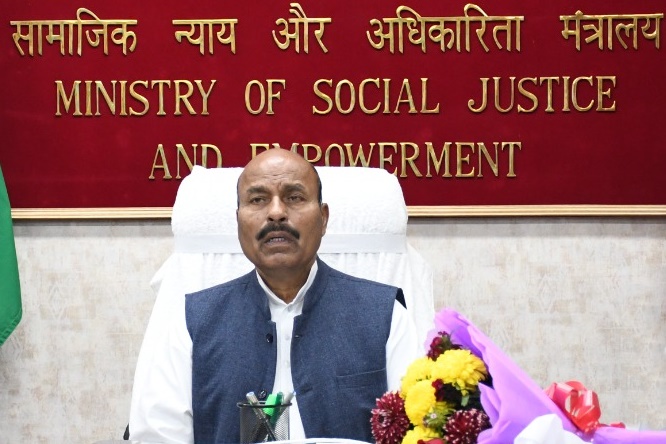
Vice President C P Radhakrishnan, Prime Minister Narendra Modi, and Union Forest and Environment Minister Bhupendra Yadav extended their greetings to wildlife enthusiasts on Global Tiger Day, reaffirming India's commitment to tiger conservation.
The actors and their limits
In a social media post, Mr. Radhakrishnan stated that India's success in maintaining the world's largest wild tiger population reflects sustained efforts in habitat conservation, scientific monitoring, anti-poaching measures, and the unwavering dedication of forest personnel, scientists, conservationists, and local communities. PM Modi added that India is home to 70 percent of the world's tiger population.
The geopolitical relevance of Conservation Efforts and Habitat Threats Dominate Tiger Conservation Dialogue lies in the interests revealed by the reported action, not in assuming a larger alignment that the source does not establish. Governments and institutions usually cooperate where incentives overlap while retaining differences on cost, timing and political risk. For Conservation Efforts and Habitat Threats Dominate Tiger Conservation Dialogue, this distinction keeps the assessment tied to observable conduct.
India's strategic interest
He praised forest personnel, scientists, and conservationists for their crucial role in tiger conservation and underscored India's commitment to empowering local communities and reducing human-wildlife conflict. Union Forest and Environment Minister Bhupendra Yadav stated that the encouraging data reflects the health of Indian forests and the country's focus on conservation.
For Conservation Efforts and Habitat Threats Dominate Tiger Conservation Dialogue, the principal constraint is implementation. Diplomatic language can indicate direction, but resources, legal authority, domestic politics and other actors determine whether an initiative changes behaviour. This is strategic inference based on the reported development, not a claim about undisclosed motives.
Evidence of follow-through
India's practical interest is whether Conservation Efforts and Habitat Threats Dominate Tiger Conservation Dialogue expands useful choices, protects economic or security interests and preserves room for independent decisions. That assessment should distinguish a concrete capability or agreement from the symbolism attached to a meeting, statement or exercise.
Two scenarios for Conservation Efforts and Habitat Threats Dominate Tiger Conservation Dialogue deserve attention. Progress would be visible through named follow-up measures, sustained cooperation and disclosed results; stagnation would appear as repeated declarations without operational detail. Official documents, budgets, implementation dates and attributable responses should decide which scenario is developing.