The 16th decennial Census of India—originally due in 2021—has been delayed by six years, the first such disruption since synchronous censuses began in 1881.
With the last census conducted in 2011, India has been operating with data that is over a decade old, creating a serious deficit in a rapidly changing society.
This gap has affected welfare allocation, poverty estimates, administrative planning, and our understanding of migration and urbanization, while also weakening the reliability of surveys built on outdated population frames.
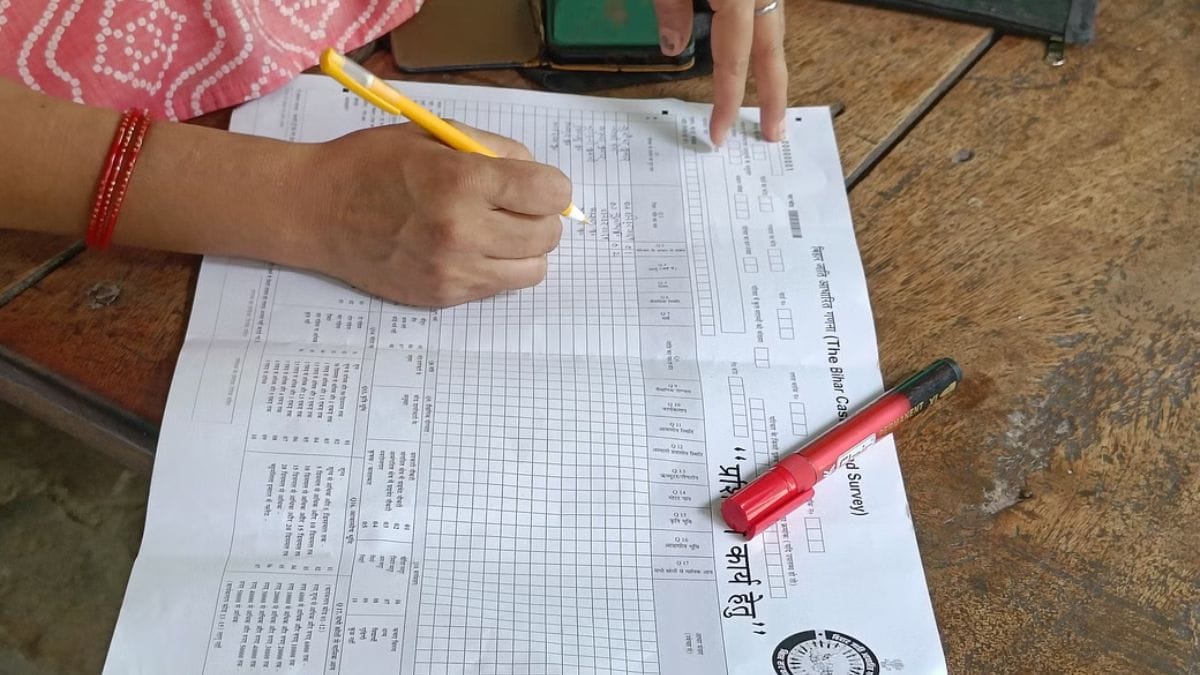
There is now reason for cautious optimism: from Apr 1, 2026 India has begun the monumental exercise of enumerating over 1.4 billion people.
This is the world’s largest peace time administrative exercise involving nearly 3 million people.
The census is not merely a headcount; it offers a comprehensive snapshot of society at a given moment.
It captures population composition across dimensions such as age, sex, religion, caste, language, literacy, occupation, and living conditions, at highly granular levels down to villages and urban wards.
This allows the state to map social structure, spatial distribution, and inequalities with considerable precision.
Census data shape democratic representation through delimitation, influence the balance of federal power, guide resource allocation, and underpin welfare targeting.
They also inform long-term planning in sectors such as health, education, and infrastructure.
In this sense, the census functions as a foundational tool of governance, structuring policy and state action for the decade that follows.
District administrators await updated District Census Handbooks for planning service delivery.
In the past fifteen years, districts have proliferated rapidly; many newly created districts still operate with outdated population baselines.