The Ministry of Housing and Urban Affairs has intensified the Catch the Rain campaign across cities under AMRUT 2.0, placing urban water security back at the centre of municipal planning before and during the monsoon season.
According to the official release, more than 900 urban local bodies across 27 states and Union territories are part of the drive. The programme is being linked with groundwater recharge, restoration of existing water bodies, new green spaces and public awareness on water conservation.
Urban impact
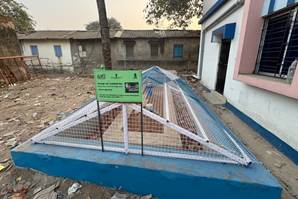
The measurable portion of the campaign is significant. The ministry said 1,99,278 groundwater recharge structures have been reported across 79 municipal corporations. It also said 73,036 recharge structures have been taken up across 738 smaller urban local bodies.
That matters because Indian cities are facing two connected problems at the same time: water scarcity after weak recharge and flooding when heavy rain has nowhere to go. Recharge pits, revived tanks, clean drains and protected water bodies can reduce both risks when they are maintained properly.
The ministry also referred to the revival of water bodies and green areas covering large urban acreage. These projects can improve local groundwater, reduce heat stress and create common public spaces, but the results will depend on whether local bodies protect the restored sites after the first round of works is complete.
Administrative test
The administrative challenge is not only construction. Cities will need ward-level records, periodic cleaning, public reporting and protection from encroachment if recharge structures and revived ponds are to remain useful after the monsoon.
The campaign is therefore a useful indicator of whether AMRUT 2.0 is moving beyond asset creation into long-term civic maintenance. Urban residents should see its effect through better drainage, cleaner water bodies, more usable green areas and clearer municipal accountability on water conservation.
Municipal bodies should also make the project list easy to inspect. A ward-wise inventory of recharge works, restored tanks, green areas and maintenance schedules would help residents understand whether the campaign is reaching their neighbourhoods.
For fast-growing cities, this is not a seasonal campaign alone. It is a test of whether urban planning can treat rainwater as a resource, protect common water assets and reduce dependence on expensive emergency measures during dry months.
Source: release dated 13 July 2026, Release ID 2284276.