The official record
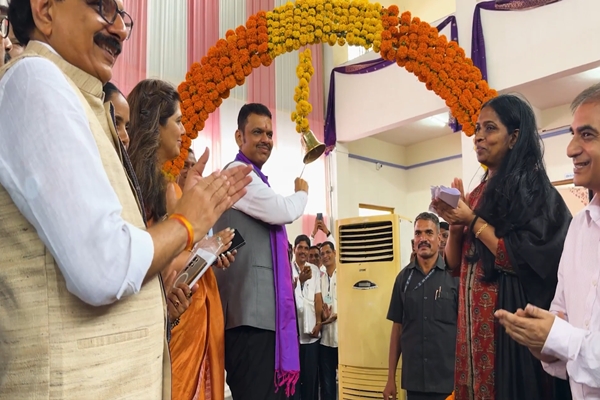
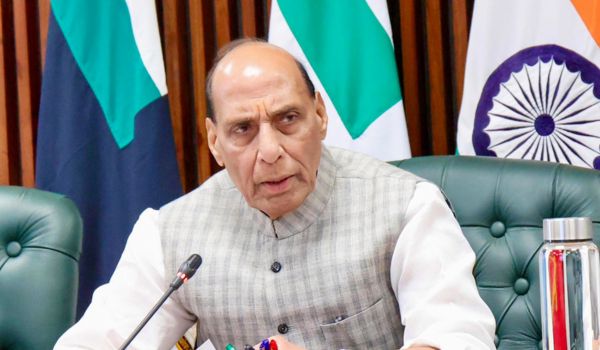
The two-day meeting of Heads of National Statistical Offices (NSO) of BRICS Member Countries was inaugurated today under the Chairship of India, at Lucknow, Uttar Pradesh, India.
The event gathered over 350 participants, including representatives from the National Statistical Offices of the BRICS nations, policy makers, academics, think tanks, civil society organizations, and technical experts.
Incentives behind cooperation
Guided under the overarching theme Building for Resilience, Innovation, Cooperation and Sustainability (BRICS), the BRICS Statistics track in India has adopted the theme Quality Statistics as Driver of Change, reflecting an unwavering commitment to data quality, innovation, effective dissemination, and people-centric statistical systems responsive to rapid technological advancements, the growing demand for high-frequency and granular data, and the increasing reliance on official statistics.
The wider diplomatic meaning of India Assumes Leadership in BRICS Statistical Collaboration lies in the interests revealed by the reported action, not in assuming a larger alignment that the source does not establish. Governments and institutions usually cooperate where incentives overlap while retaining differences on cost, timing and political risk. For India Assumes Leadership in BRICS Statistical Collaboration, this distinction keeps the assessment tied to observable conduct.
Choices before New Delhi
The inaugural session of the Meeting of Heads of National Statistical Offices commenced with an introduction by DG (Data Governance), MoSPI, followed by an address by Alok Kumar, Principal Secretary, Planning and Programme Implementation, Uttar Pradesh.
For India Assumes Leadership in BRICS Statistical Collaboration, the principal constraint is implementation. Diplomatic language can indicate direction, but resources, legal authority, domestic politics and other actors determine whether an initiative changes behaviour. This is strategic inference based on the reported development, not a claim about undisclosed motives.
The next indicators
From New Delhi's perspective is whether India Assumes Leadership in BRICS Statistical Collaboration expands useful choices, protects economic or security interests and preserves room for independent decisions. That assessment should distinguish a concrete capability or agreement from the symbolism attached to a meeting, statement or exercise.
Two scenarios for India Assumes Leadership in BRICS Statistical Collaboration deserve attention. Progress would be visible through named follow-up measures, sustained cooperation and disclosed results; stagnation would appear as repeated declarations without operational detail. Official documents, budgets, implementation dates and attributable responses should decide which scenario is developing.