The Directorate of Revenue Intelligence has reported a series of wildlife-trafficking operations across India, saying the actions exposed networks dealing in protected animals and ivory material.
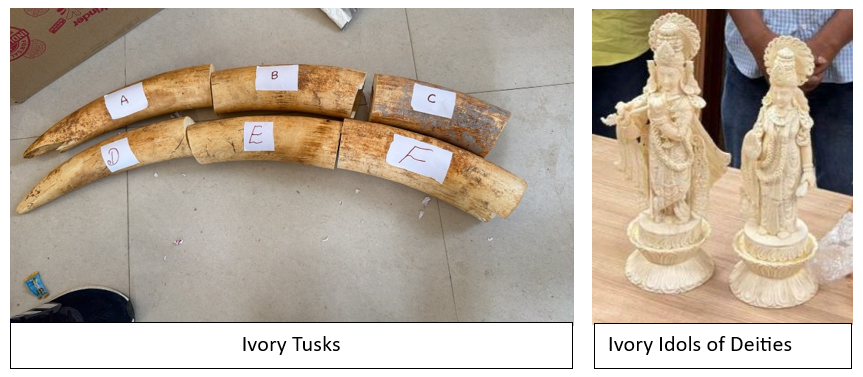
According to the official release, more than 440 endangered or protected wild animals and about 15 kg of ivory and ivory articles were seized. The DRI said 33 people were arrested in the operations.
Investigation trail
The DRI also referred to seizures linked to attempted smuggling through airport routes connected with Bangkok, Kuala Lumpur and Colombo. That pattern points to a trafficking chain that is not limited to one state or one kind of wildlife product.
Wildlife crime is often treated as an environmental issue, but it is also a law-enforcement and organised-crime problem. Smuggling networks depend on collectors, transporters, document handlers, buyers and weak points at borders or transit hubs.
Public safety link
The arrests and seizures will matter most if they lead to prosecution, financial tracking and disruption of repeat networks. Wildlife cases can collapse when evidence chains are weak, species identification is delayed or coordination between agencies is incomplete.
The current release shows stronger inter-agency attention, including coordination with other enforcement bodies in some operations. The next stage should establish whether the seizures were isolated consignments or part of a larger commercial route for exotic animals and ivory.
The case also has a border-management dimension. Exotic wildlife trafficking often uses passenger baggage, courier routes and false declarations, which means customs intelligence, airport screening and post-seizure investigation must work together.
A strong prosecution strategy should identify buyers as well as carriers. Low-level couriers are replaceable; networks become weaker when financiers, repeat handlers, storage locations and online demand channels are traced through records and interrogation.
Source: release dated 13 July 2026, Release ID 2284288.